
How to clean old coins
The best way to clean an old coin is to leave it alone, because the dirt and darkening that collectors call toning and patina are part of what they value.
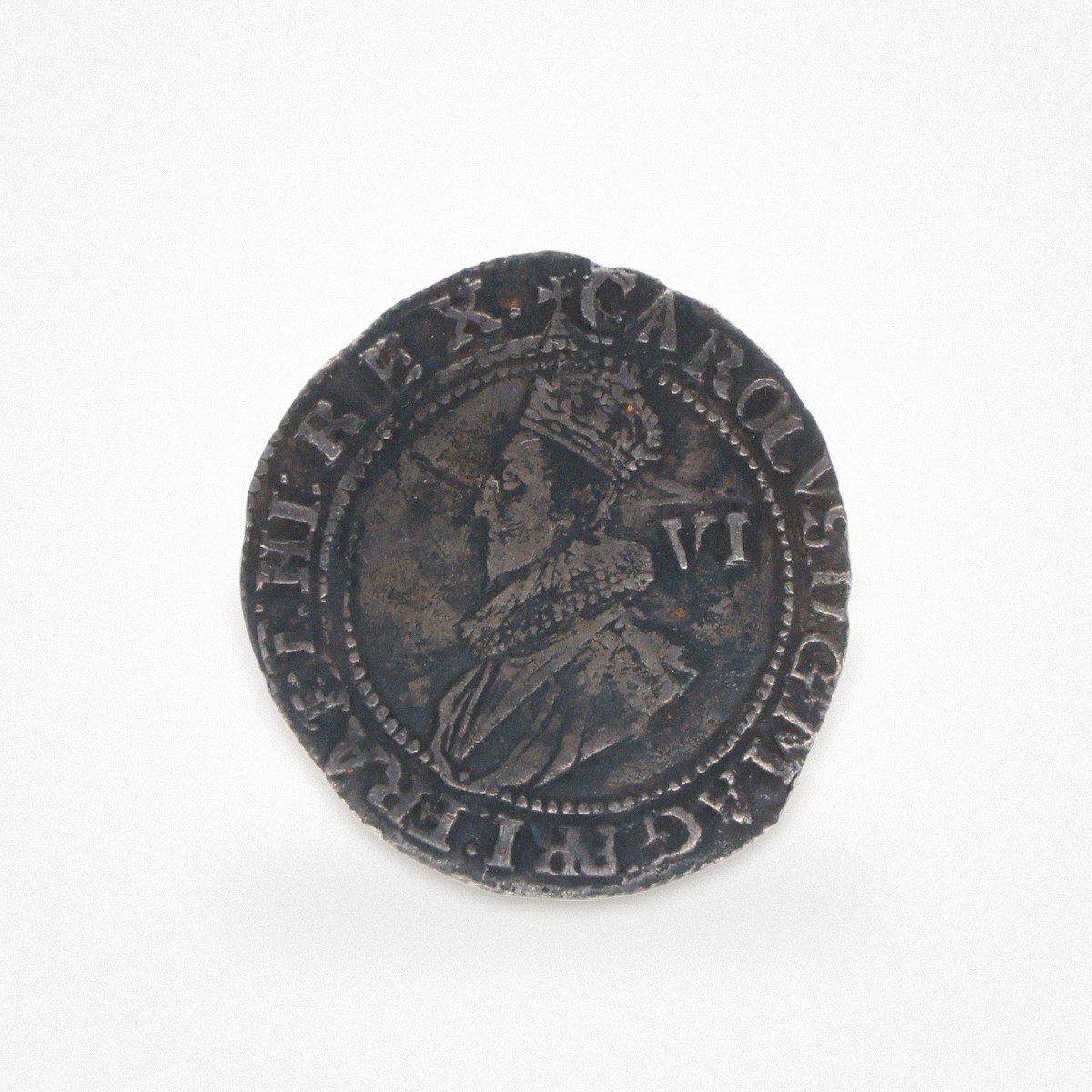

Coins
Why a dirty coin is often worth more
The first instinct with an old coin is to make it shine, and that instinct costs people money. Collectors grade a coin on how rare it is, its date, the mint it came from and its condition. Condition means wear and dents. Dirt and grime are not counted against it.
Over the years most old metal grows a film on the surface, often green on copper, called patina. Collectors who deal in coins, who are known as numismatists, accept a certain amount of discolouration, which the trade calls toning. Many of them like it, because it shows age. Taking it off can lower a coin's value considerably.
What a collector looks at
A grade is a collector's shorthand for how a coin has come through the years. It is set by how worn the surface is and whether the coin has been knocked about, and it is that wear, much more than a layer of dirt, that decides where a coin stands. A coin that has been rubbed back to bright metal has lost some of the very detail the grade rests on.
It is the reason those who collect coins almost never clean them. They would rather own an honest old coin than a shiny one that has been interfered with.
What cleaning does
Copper, silver, nickel and gold coins should not be cleaned at all. Polish and rubbing wear away the surface for good, and a coin that has been made bright with brass or silver polish has usually lost much of what it was worth.
Gold coins such as sovereigns are valued for the gold in them as well as for their age, and our guide to them goes into that. If you have already cleaned a few, do not worry about it. Send them anyway, and say so if you remember how it was done.
Got a box of old items at home? Post it to us free and get one offer for the lot.
Get your free packIf you cannot leave it
The most that is safe is a very light brush or a quick rinse in water. Hold the coin by its edges, so that your fingers do not touch the faces. Do not rub it, and let it dry in the air.
If you would like to experiment, do it on modern loose change that nobody wants, such as an ordinary penny, and not on anything old.
The kitchen methods
You will read advice online to soak a coin in cola, in vinegar, or even in tomato ketchup. These work because the mild acid eats away the dull layer on the surface. On a coin that matters, the dull layer is exactly what a collector wants to see, so these are methods for pocket change and nothing else.
Send them as they are
You do not need to clean old coins before you send them. We send a free postage pack, you post the coins just as you found them, and we make one offer for the whole parcel. A handful of grubby old coins is quite welcome.
From the blog
More to read
Jewellery
Jewellery collection found in a Worcestershire attic goes to auction, Country Life reports
Country Life reported that a family found two centuries of antique and vintage jewellery in their attic during a clear out, and offered it at Elmwood’s on 21 October.
Collectables
Bargain Hunt to visit the Detling Antiques and Vintage Fair, Kent Online reports
Kent Online has reported that the Detling fair, the last of the year, brings more than 400 sellers to the Kent County Showground on 31 October and 1 November.
Collectables
Antiques Roadshow expert values Indiana Jones film props as a collection
A guest who made props for the 1989 film The Last Crusade brought them to the BBC programme at Valentines Mansion, the Liverpool Echo reported.
Shall we send you a pack?
Prefer to talk? Call us free on 0800 048 8777